You already use CITYLINX to manage connected street lighting. What else could your city or utility achieve with the same platform?
Parking, public buildings, heating, solar energy: each service has its own operational needs. But they share common foundations—connected equipment, data, rules, interfaces and actions.
CITYLINX brings these foundations together, enabling customers to extend their platform into new applications as their needs evolve.
Connect equipment. Define the rules. Build the application.
Three complementary tools support this approach:
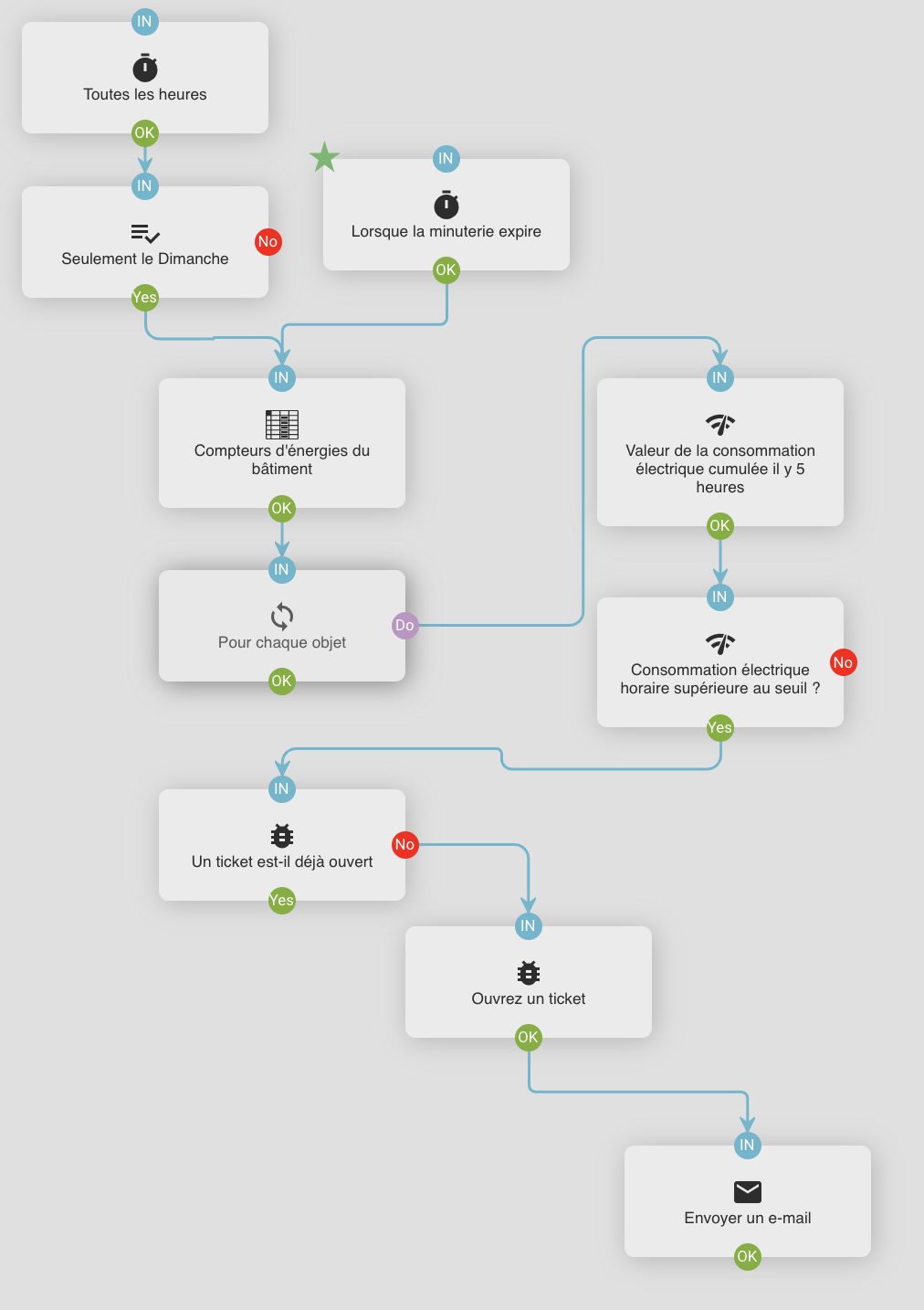
- The Citylinx Rule Engine combines data and conditions to determine when and which actions should happen.
- APIs exchange information and commands with other city systems, including asset management, maintenance and geographic information systems.
- The Software Development Kit (SDK) enables developers to create dedicated screens and application interfaces within the Citylinx platform, for specific operational needs.
The platform can collect information and send commands to compatible sensors, controllers and actuators across multiple equipment suppliers and communication networks. Each new use case builds on these capabilities, with the integrations required for the project.
We use the same SDK ourselves
CITYLINX has developed its own applications using this SDK:
- City parking monitoring: give operators visibility of parking occupancy and availability.
- Public building energy monitoring: track consumption and identify where investigation or corrective action is needed.
- Thermostatic valve control: manage heating settings in public buildings.
- Solar energy management: monitor production and coordinate whether electricity is consumed directly, exported to the grid or stored, according to demand, market prices and available equipment.
These applications illustrate how one platform can support different operational teams, each with the screens and controls relevant to their work.
Customers such as SATELEC are already developing their own applications with CITYLINX, bringing their operational expertise into the platform.
A challenge for you!
The next application could address a very practical local challenge. For example:
- Preparing a sports facility for an evening event: coordinate heating, outdoor lighting and parking information around the booking schedule.
- Responding to a suspected water leak: compare consumption with building occupancy, notify the responsible team and create a maintenance request.
- Coordinating energy use across municipal buildings: schedule flexible consumption around available solar production, within comfort and equipment constraints.
These are potential projects to explore. Their value comes from connecting information and actions across services that often operate separately.
Your teams understand your local problems. Citylinx provides tools to turn that understanding into an operational application, developed by your own team, by your integration partner or by Citylinx.
Who will build the next killer app?
Which city or utility will invent the next Smart City application and develop it with the Citylinx SDK, or ask us to build it?
Bring us a use case. Let’s explore how to make it work.

Asset management to properly and completely describe each asset

Custom graphical layers to display city assets according to your criterias

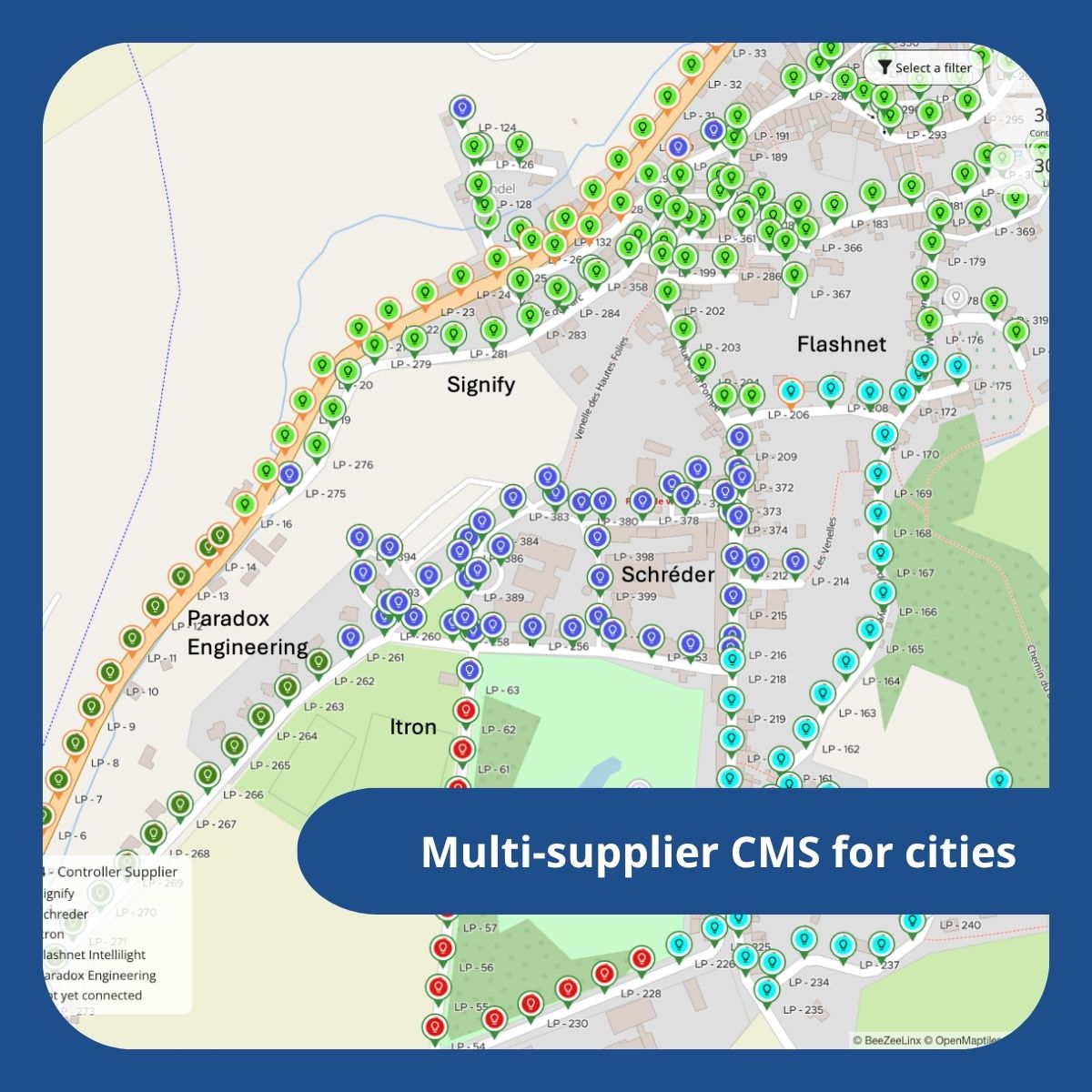
Control, command and monitoring regardless of the device manufacturer